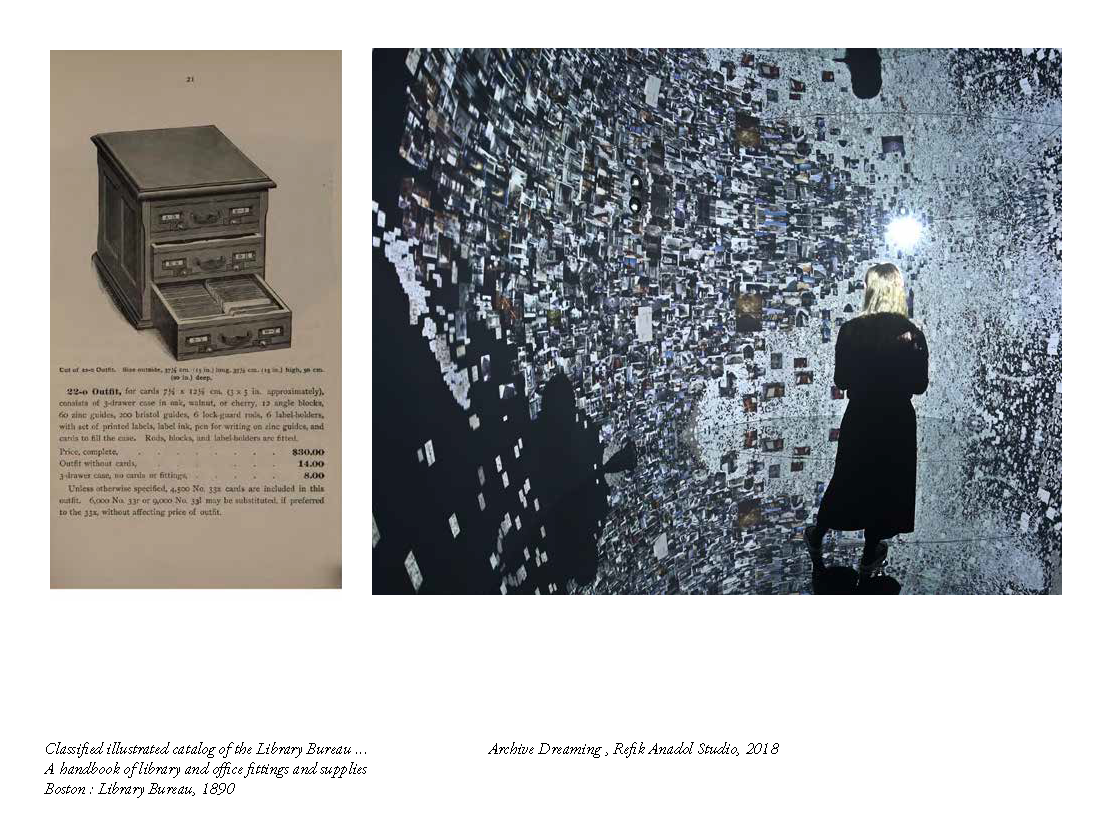
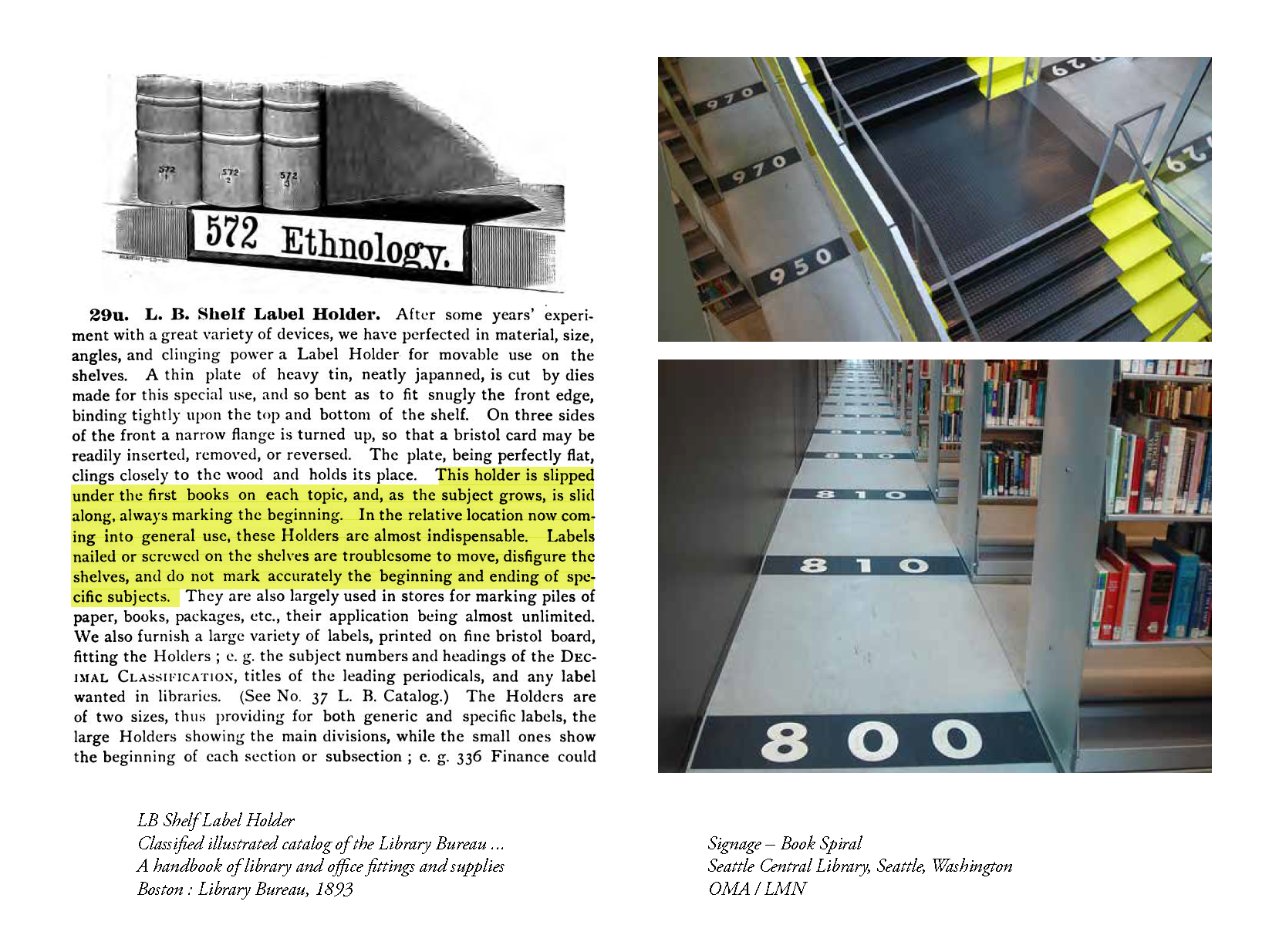
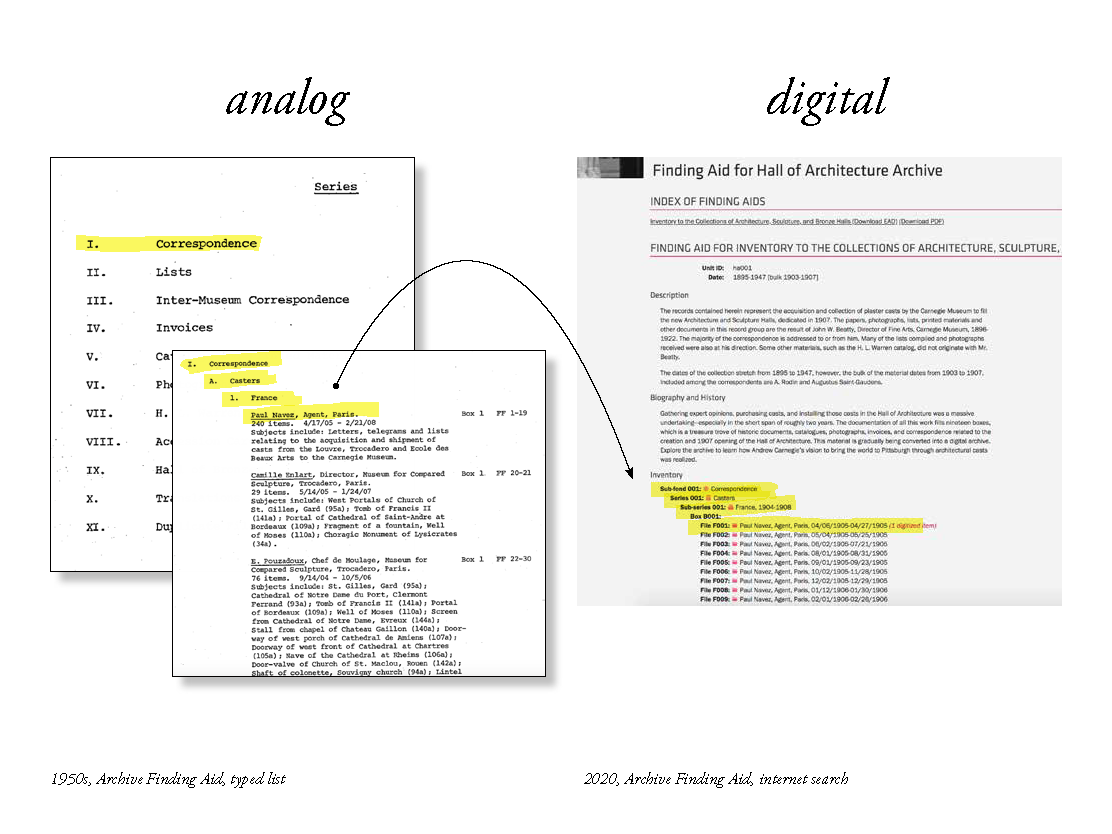
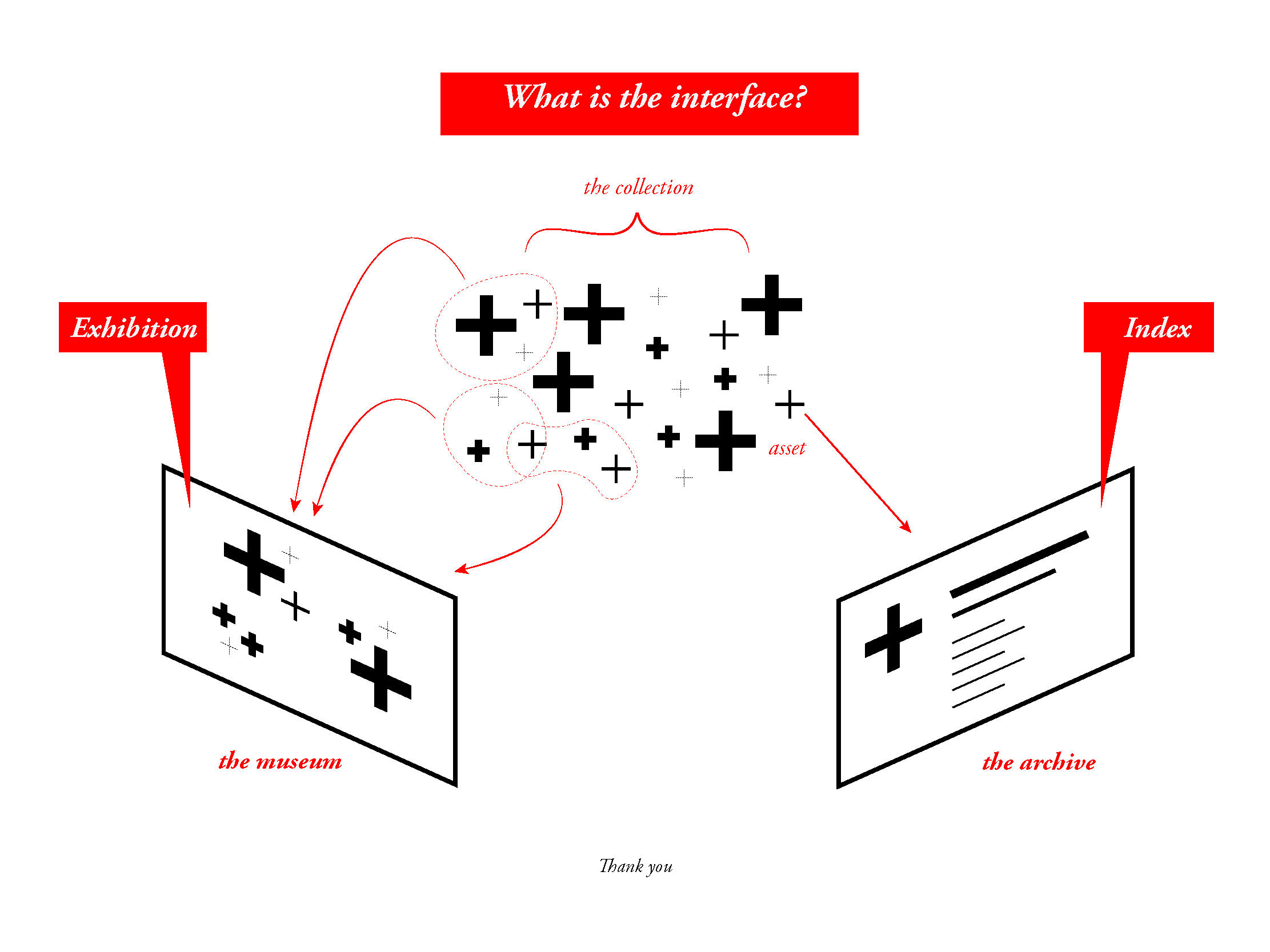
Modes of cataloguing and displaying information are tightly bound to the spatial organization of the institutions that house them. The tools of record-keeping—charts, lists, card catalogues, bookshelves—were designed around the physical constraints of paper and gravity, and when archives went digital, those same structures were imported wholesale, as if the internet were simply a faster filing cabinet. The digital interface inherited the limitations of the card catalogue rather than reimagining them.
Graphic and digital interfaces are culturally generated artifacts—containing as much information about the history of the archive as about its contents. There may be a historiography of archives, just as provenance studies have added a critical layer to the history of art. The physicality of past tools, the hierarchies of floors and rooms, the linearity of shelves and filing systems, are part of the history of the material they organize—intertwined with how collections have been accessed and which stories have surfaced.
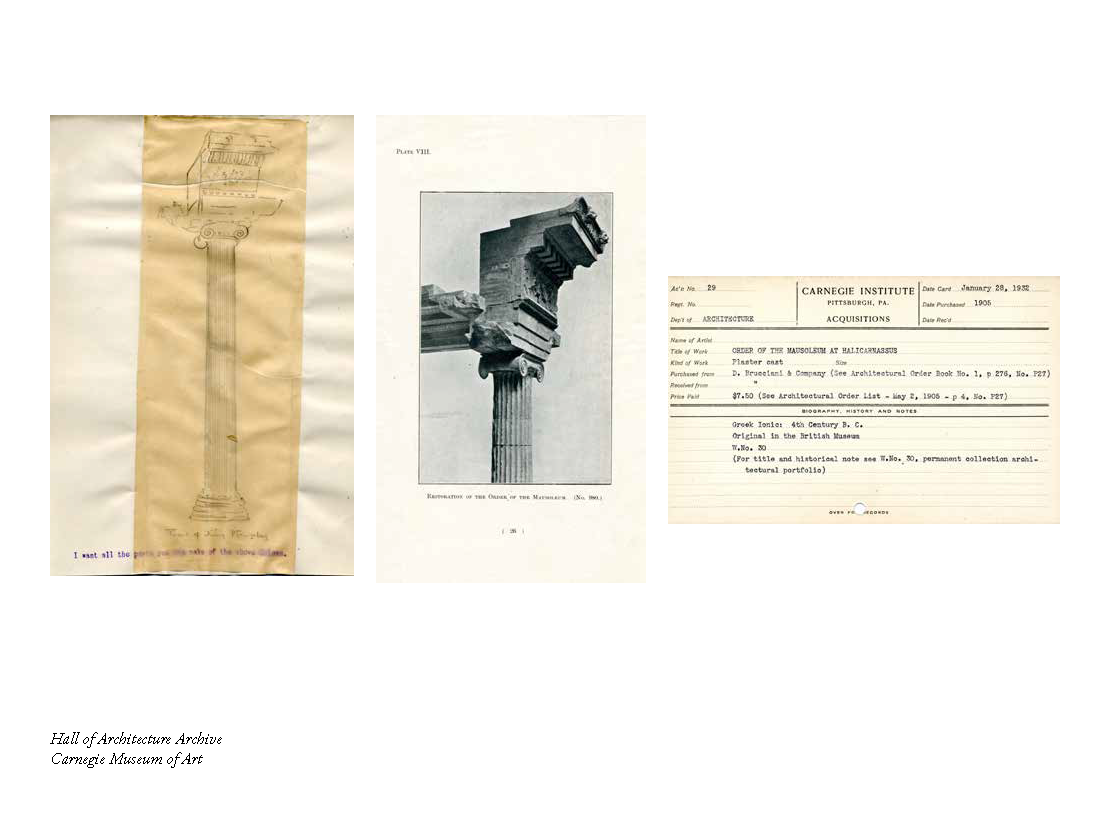
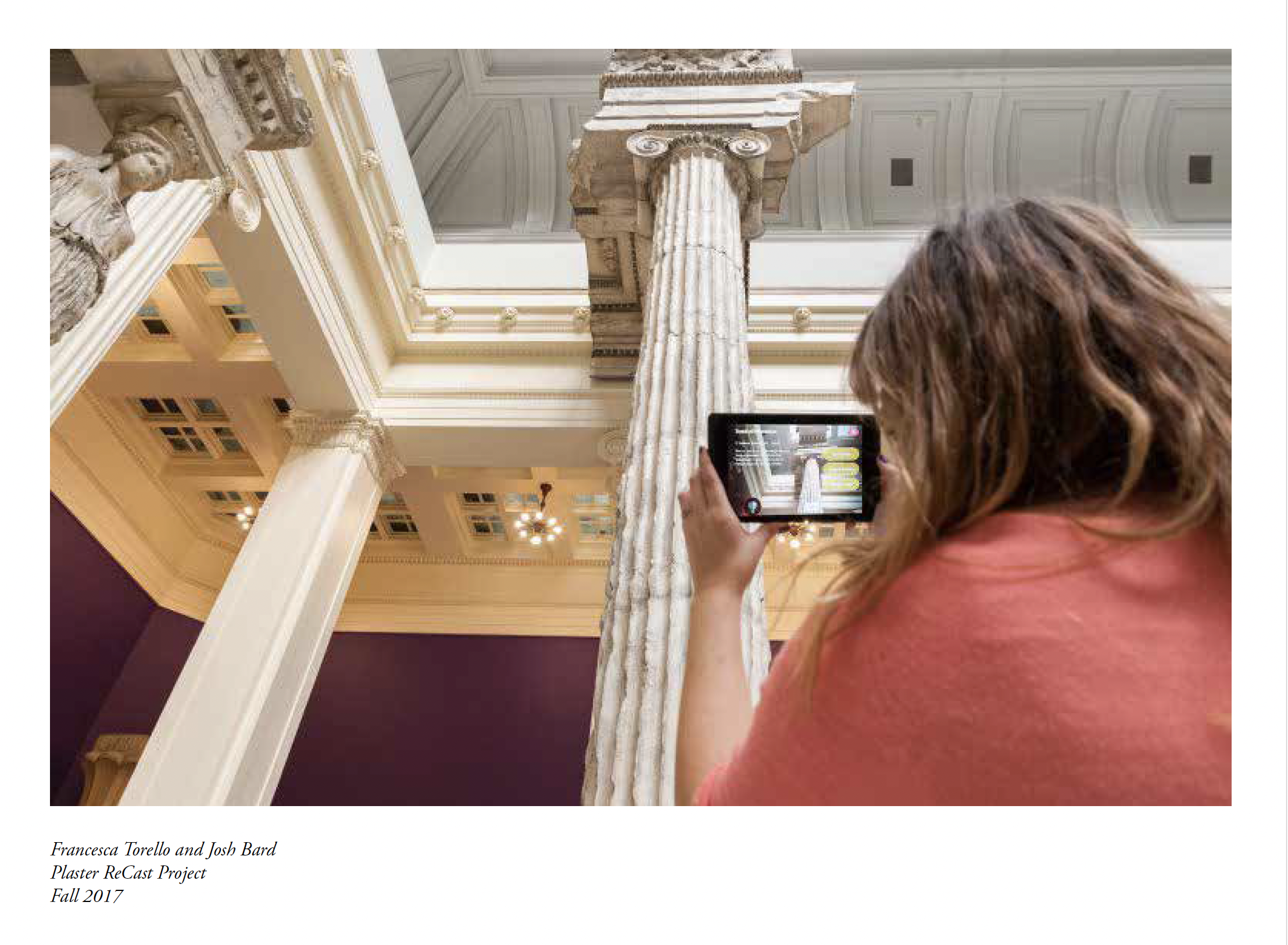
Drawing on case studies from the Newberry Library's postcard archive and the Carnegie Museum's Hall of Architecture, we show how changing the tools of representation can change the archival narrative—revealing pathways through the same material that older interfaces had foreclosed. Designers have the ability, and the responsibility, to create new ways of looking, and new ways for others to look.