Scope & Content Note
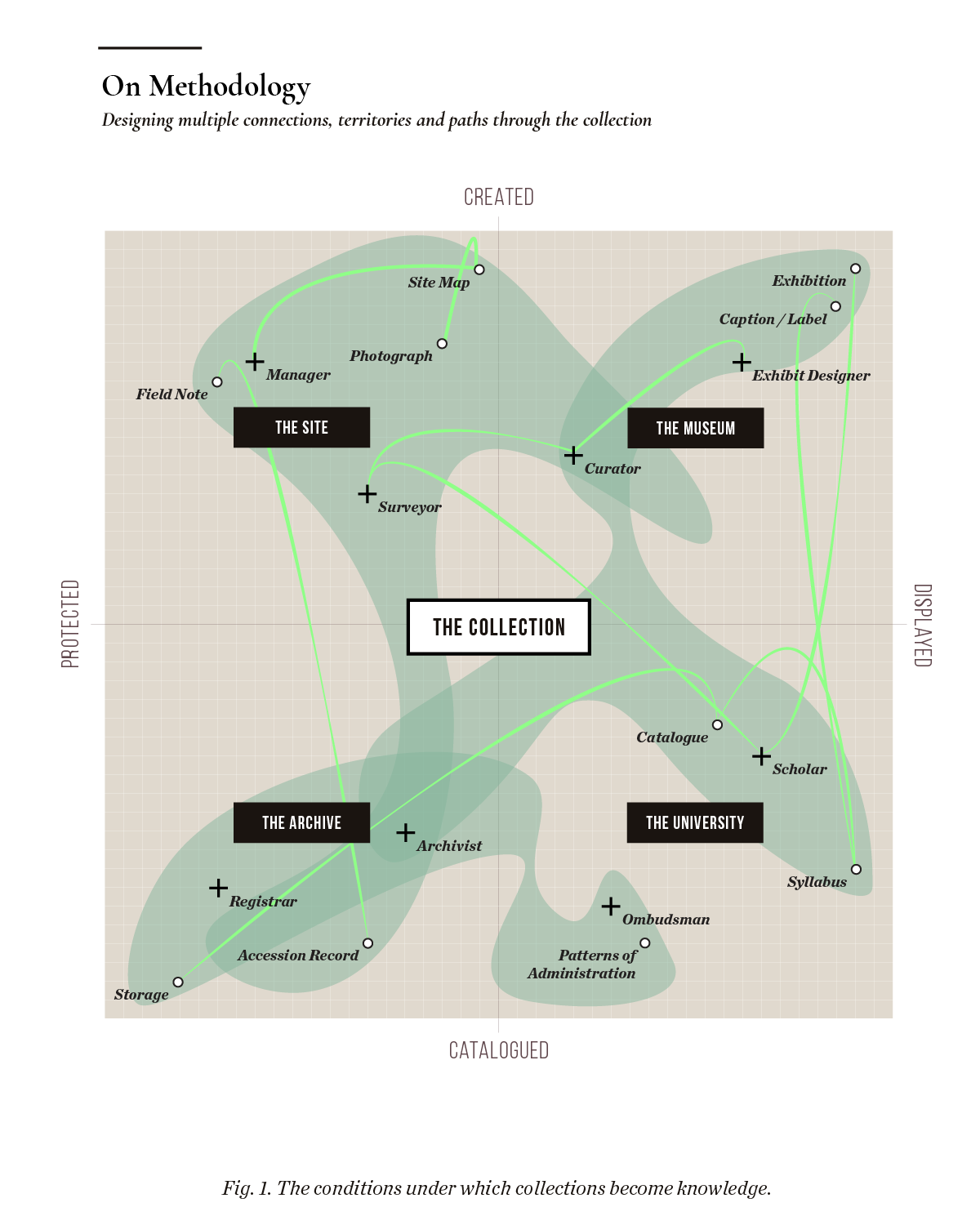
To work in the archive as an architect is to treat information as a material, one to be explored, understood and shaped through representation. By thinking of the library as a site of production, not just preservation, I approach archival research as a studio practice: borrowing methods from architecture, cartography, and data visualization, my scholarship is continuously being made and remade with each new site, map, and source.
The map holds the research.
Drawing organizes the argument.
Photo: Megan Leigh Barnard
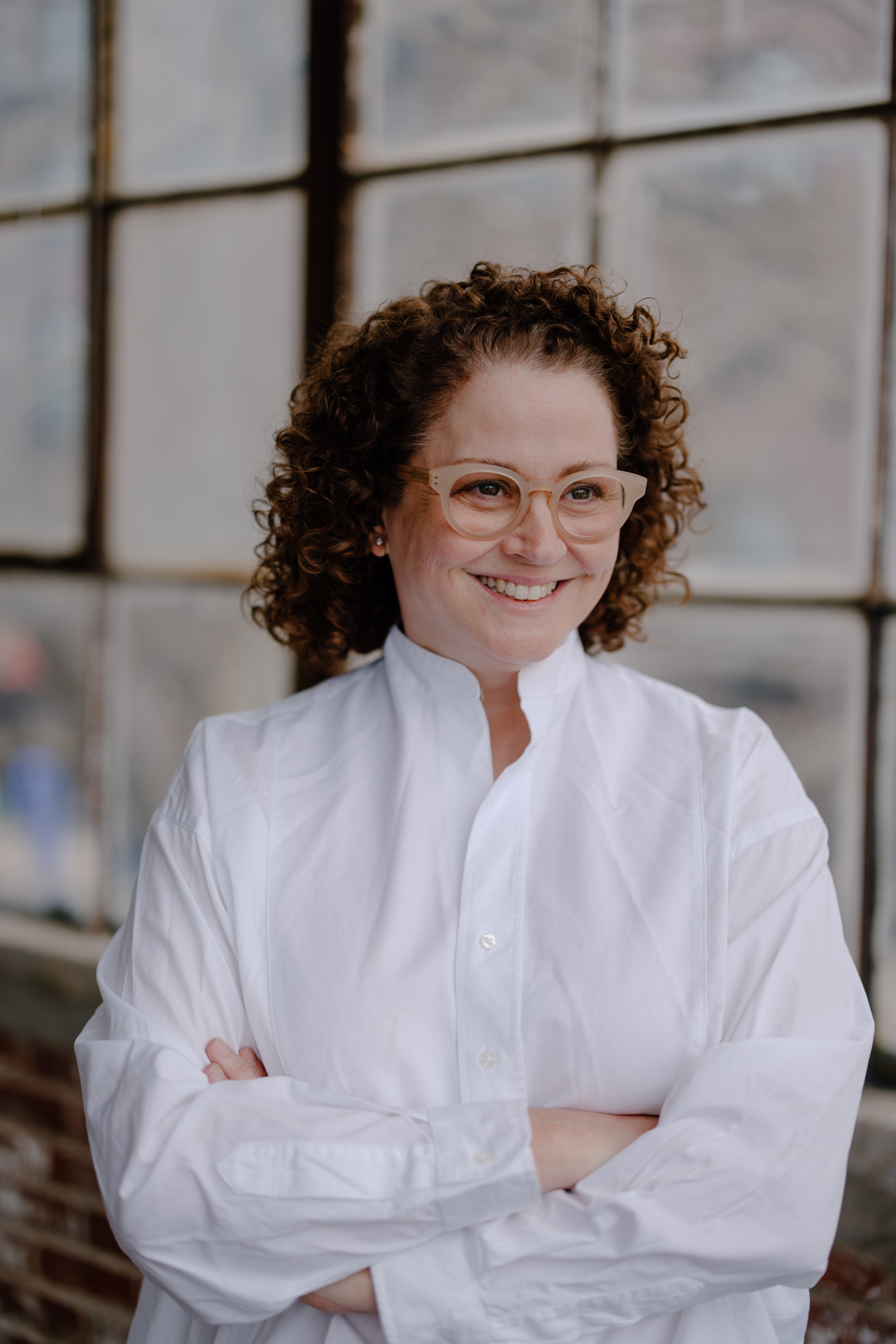
Karen Lewis is an Associate Professor of Architecture at the Knowlton School of Architecture at The Ohio State University, where she has taught since 2009. She holds degrees from Wellesley College and the Harvard Graduate School of Design.
Her work begins with a proposition: that the tools of architecture — spatial analysis, material attention, the reading of what a site withholds as much as what it reveals — can generate historical knowledge that conventional documentary methods cannot reach. She approaches the archive the way an architect approaches a building: not as a repository to be surveyed from a fixed vantage point, but as a system to be entered, moved through, and reconstructed from within.
This is, at its core, a practice of assembly. Working at the intersection of historical cartography, data visualization, and forensic spatial analysis, she brings disparate primary sources into proximity — maps, survey records, testimonial accounts, physical traces — and attends to what emerges from the encounter. The relationships she finds are rarely legible until the materials are held together; the argument lives in the arrangement.
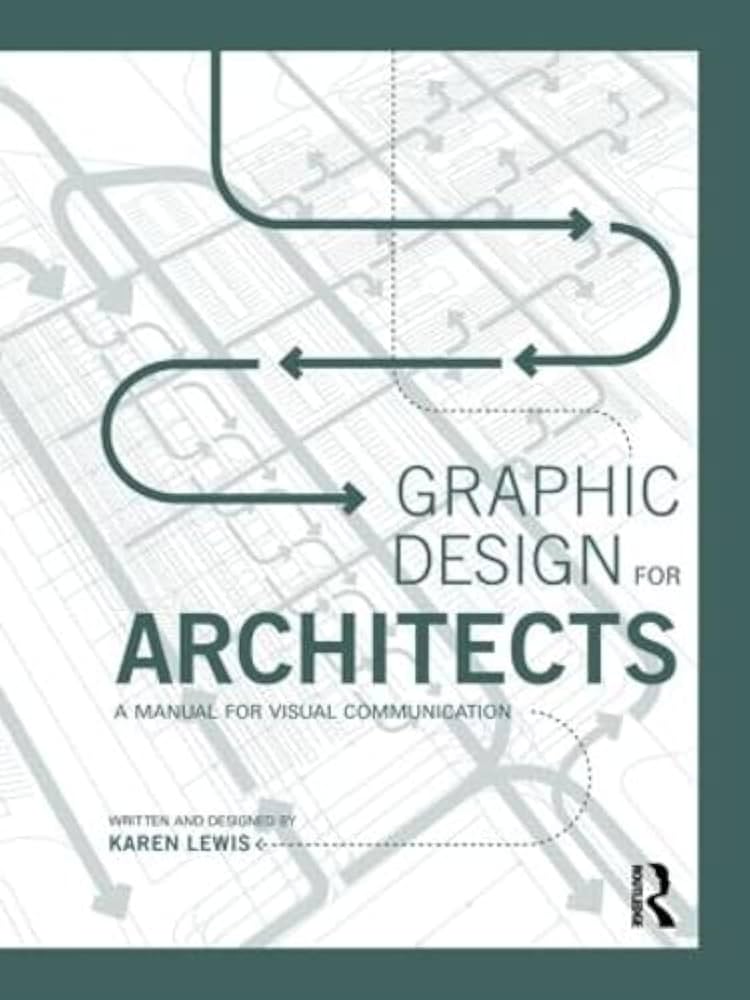
Her current research focuses on the spatial history of the Underground Railroad, asking what the built environment can tell us about a freedom network designed to leave no trace. She is drawn, more broadly, to systems: to the grammar of cartography, to typography as structure and meaning, to the three-dimensional logic of how information organizes itself in space. Her book Graphic Design for Architects (Routledge, 2015) has become a standard text in the field; a second edition is forthcoming.
Uncovering the Underground Railroad · Barry Lawrence Ruderman Conference on Cartography · David Rumsey Map Library, Stanford University · 2023
Uncovering the Underground Railroad: Visualizing History through Mapping
Barry Lawrence Ruderman Conference on Cartography · David Rumsey Map Library, Stanford University · 2023
Watch the lecture →Exhibition Companion to 'Tracing the Underground Railroad' Lecture
American Geographical Society Library · University of Wisconsin–Milwaukee · 2022
Explore the map →Jennifer Bartlett, In the Garden, 1980–83 →
Nearly two hundred drawings made in a garden in Nice — pencil, pastel, charcoal, ink — the same view returned to again and again until it becomes something other than observation. What Bartlett found by staying still long enough to see what changes. I keep coming back to the commitment of it: not one drawing, not a series, but an obsession rendered methodical.
The Newberry Library, Chicago →
An independent research library that is elegant, serious, and absolutely unpretentious. Do you want to see the entire set of Topographic Engineering Surveys? They will wheel you a library cart with the complete fifteen-volume set. Kindness, quiet, beautiful green lamps, big spaces that smell of old books, an elegant marble stairwell that winds down to Walton Street and the park across the street. Nested in the Gold Coast. Meet up with the Map Guys for lunch at Il Tempio and talk about cartography over a Hollywood Salad. Best archive with the best people ever.
Anni Albers, Weavings, 1920s–70s →
Color built from structure, not applied to it. Every thread a decision — material, tonal, spatial — and the weaving the record of all of them at once. I have been looking at these for decades and they are not finished with me.
Lauretta Vinciarelli, Watercolors, 1980s–2000s →
Light as structural argument. She was trained as an architect and it shows — these are not atmospheric washes, they are spatial propositions. The watercolor medium is doing the opposite of what watercolor usually does: instead of loosening form, it is making it precise. I keep returning to them because they prove something I believe about drawing: that restraint is not absence. The empty room is full.
A comprehensive guide to the visual communication tools architects use — diagramming, mapping, typographic systems. Used in schools worldwide.
Routledge, 2026